El ciclo de 4 años de Bitcoin explicado: ¿es esta vez diferente?
Feb 12•8 min read
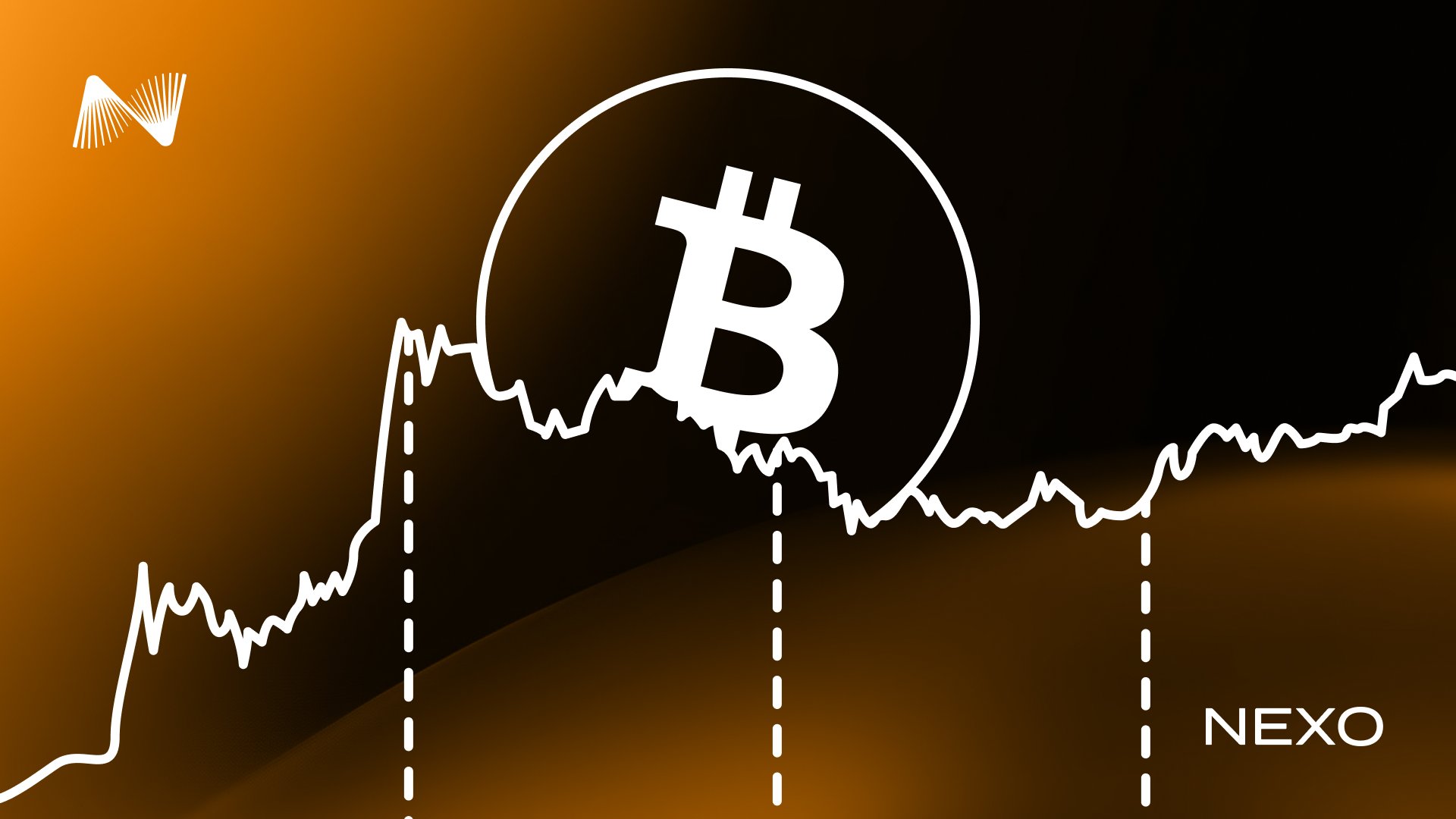
Durante más de una década, los inversores de Bitcoin han hablado de un patrón recurrente: el ciclo de 4 años. Es una expresión del ciclo de Bitcoin más amplio — el ritmo a largo plazo de crecimiento, enfriamiento y recuperación que el mercado ha mostrado a lo largo de su historia.
La idea es simple. Aproximadamente cada cuatro años, Bitcoin experimenta un evento de halving que reduce la tasa de nuevo suministro que entra en el mercado. Históricamente, a esos halvings les han seguido fuertes mercados alcistas y, finalmente, correcciones bruscas.
Pero hoy, el panorama es diferente. El capital institucional ha entrado en el sector. Existen los ETF al contado. Los mercados de derivados son más profundos. Las condiciones macroeconómicas juegan un papel más importante.
Así que la pregunta que muchos inversores se hacen ahora es:
¿Sigue siendo relevante el ciclo de 4 años de Bitcoin o esta vez es diferente?
Analicémoslo.
¿Qué es el ciclo de 4 años de Bitcoin?
El ciclo de 4 años de Bitcoin se refiere al patrón que muchos analistas observan en torno a los eventos de halving de Bitcoin.
Aproximadamente cada cuatro años, la recompensa por bloque que se paga a los mineros se reduce a la mitad. Esto reduce la tasa a la que se crean nuevos Bitcoin, lo que ralentiza de forma efectiva el nuevo suministro.
Históricamente, el patrón ha sido el siguiente:
- El halving reduce el nuevo suministro.
- La demanda se mantiene estable o aumenta.
- Los precios suben durante los siguientes 12-18 meses.
- Se forma un pico.
- Le sigue una corrección de varios meses o años.
Este patrón se produjo en torno a:
- Halving de 2012 → pico de 2013.
- Halving de 2016 → pico de 2017.
- Halving de 2020 → pico de 2021.
Debido a que el momento coincide aproximadamente con intervalos de cuatro años, el concepto de “ciclo de 4 años” se debatió ampliamente.
¿Qué impulsó los picos de los ciclos anteriores?
Aunque el halving suele describirse como el detonante, cada pico de ciclo tuvo diferentes impulsores subyacentes.
2013: Adopción temprana y primera oleada de especulación.
El ciclo de 2013 se vio impulsado en gran medida por los primeros en adoptarlo y el entusiasmo de los minoristas. Bitcoin era todavía relativamente desconocido, y su trading se realizaba en un número limitado de exchanges con una infraestructura mínima. La cobertura mediática se aceleró a medida que los precios superaron por primera vez los 100 $ y luego los 1000 $. La reducción del suministro del halving de 2012 coincidió con un rápido aumento de su popularidad.
La subida fue potente, pero frágil. Cuando el sentimiento del mercado cambió, la corrección fue igualmente drástica, lo que pone de manifiesto lo inmaduro que era el mercado en aquel momento.
2017: El boom de las ICO y la euforia minorista.
El halving de 2016 volvió a reducir la emisión, pero el pico de 2017 se debió principalmente a la explosión de las ofertas iniciales de monedas (ICO). La participación minorista aumentó a medida que se lanzaban nuevos tokens casi a diario. El apalancamiento se hizo más accesible y el entusiasmo especulativo dominó los titulares.
Bitcoin se benefició de la manía generalizada por las criptomonedas, alcanzando casi los 20 000 $ antes de entrar en un mercado bajista prolongado. La disipación del exceso especulativo y el aumento del escrutinio regulatorio marcaron el final de ese ciclo.
2021: Liquidez, estímulo y entrada institucional.
El halving de 2020 se desarrolló en un entorno macroeconómico extraordinario. En respuesta a la pandemia, los bancos centrales (en particular, la Reserva Federal de EE. UU.) redujeron las tasas de interés a casi cero e inyectaron una liquidez significativa en los mercados financieros.
Los cheques de estímulo, los bajos costos de los préstamos y el fuerte apetito por el riesgo impulsaron la demanda tanto en las acciones como en las criptomonedas.
Al mismo tiempo, se aceleró la adopción institucional. Las empresas públicas añadieron Bitcoin a sus balances. Los principales gestores de activos lanzaron productos de inversión en criptomonedas. Los mercados de derivados se expandieron significativamente.
Bitcoin alcanzó nuevos máximos históricos por encima de los 60 000 $ antes de entrar en una corrección, ya que la inflación aumentó y la Reserva Federal comenzó a subir agresivamente las tasas de interés en 2022.
Cada ciclo incluyó el halving, pero las condiciones macroeconómicas y los impulsores de la demanda difirieron drásticamente.
¿El ciclo de 4 años se está debilitando o evolucionando?
Existen razones de peso para creer que el ciclo puede estar evolucionando en lugar de desapareciendo.
En primer lugar, las fuerzas macroeconómicas desempeñan ahora un papel mucho más importante. Bitcoin reacciona cada vez más a:
- Decisiones de la Reserva Federal sobre las tasas de interés.
- Datos de inflación.
- Condiciones de liquidez.
- Sentimiento general del mercado de renta variable.
Cuando las tasas suben y la liquidez se endurece, los activos de riesgo (incluido el Bitcoin) suelen sufrir presiones. Cuando las tasas se estabilizan o bajan, el apetito por el riesgo puede volver. Este factor macroeconómico fue mucho menos significativo en ciclos anteriores.
En segundo lugar, la participación institucional puede alterar los patrones de volatilidad. Los ETF al contado y las soluciones de custodia reguladas permiten la entrada de grandes volúmenes de capital en el mercado. Mientras tanto, unos mercados de futuros y opciones más profundos posibilitan una actividad de cobertura que puede tanto amplificar como amortiguar las oscilaciones de los precios.
En tercer lugar, la información se mueve más rápido. Los datos en la blockchain, las plataformas de análisis y los medios de comunicación globales crean circuitos de retroalimentación más rápidos entre la narrativa y la acción del precio.
Debido a estos cambios, el ritmo tradicional de cuatro años puede:
- Alargarse o comprimirse.
- Mostrar ganancias porcentuales menores en comparación con los ciclos iniciales.
- Estar más influenciado por los ciclos macroeconómicos que puramente por el momento del halving.
Lo que probablemente se mantendrá constante es el comportamiento humano. El miedo y la codicia continúan creando ciclos, aunque su estructura evolucione.
¿En qué punto del ciclo de Bitcoin nos encontramos ahora?
Muchos inversores se hacen la misma pregunta: ¿en qué punto del ciclo de Bitcoin nos encontramos ahora mismo?
Tras varios ejemplos históricos de patrones de auge y caída más o menos alineados con los halvings, la gente intenta asignar la acción actual del precio a cronologías anteriores.
Pero los ciclos no suelen ser evidentes hasta que ya han pasado.
En tiempo real, los mercados rara vez se mueven siguiendo patrones limpios y predecibles. Los flujos institucionales, la demanda de ETF, los cambios macroeconómicos y el posicionamiento de los derivados influyen en los movimientos de los precios junto con la dinámica del suministro.
En lugar de basarse estrictamente en un modelo de calendario, algunos inversores se fijan en señales más amplias:
- ¿Se está expandiendo o contrayendo la liquidez?
- ¿Están subiendo o estabilizándose las tasas de interés?
- ¿Se está acelerando la participación minorista?
- ¿Es elevado el apalancamiento en los mercados de derivados?
Estos factores pueden ofrecer una visión más práctica que suponer que la historia se repetirá exactamente.
Qué significa esto para los inversores.
Los diferentes entornos del mercado tienden a favorecer diferentes enfoques.
Los holders a largo plazo que planean superar múltiples ciclos suelen centrarse en la acumulación y la paciencia. Algunos optan por ganar intereses sobre sus criptomonedas mientras las mantienen, sobre todo durante las fases más tranquilas del mercado.
Otros que prefieren no vender durante las caídas pueden explorar la opción de pedir un préstamo contra su Bitcoin en lugar de liquidar a precios más bajos.
Los traders más activos a veces utilizan los mercados de derivados para cubrir su exposición u operar con los movimientos de precios a corto plazo.
El marco del ciclo puede proporcionar perspectiva, pero en última instancia la estrategia depende del horizonte temporal, la tolerancia al riesgo y los objetivos personales. Para un análisis fase por fase sobre cómo abordar cada parte del ciclo, lea qué hacer en cada fase del ciclo de Bitcoin.
Los mercados cambian. Las herramientas evolucionan. La disciplina importa más que las predicciones.
Preguntas frecuentes
¿Qué es el ciclo de 4 años de Bitcoin?
Se refiere al patrón histórico de los movimientos de precios en torno a los eventos de halving de Bitcoin, que se producen aproximadamente cada cuatro años y reducen la emisión de nuevo suministro.
¿En qué punto del ciclo de Bitcoin nos encontramos ahora mismo?
No hay una respuesta definitiva en tiempo real. Los inversores suelen tener en cuenta las condiciones macroeconómicas, la liquidez y el sentimiento del mercado en lugar de basarse únicamente en los plazos del halving.
¿Cuándo alcanzará Bitcoin su punto álgido en este ciclo?
Nadie puede predecir con fiabilidad los picos exactos del mercado. Los ciclos anteriores sugieren que los picos se han producido entre 12 y 18 meses después de los halvings, pero los resultados varían en función de las condiciones económicas generales.
¿Qué es el indicador Pi Cycle Top?
El indicador Pi Cycle Top es un modelo técnico que utiliza medias móviles para intentar identificar los picos del ciclo. Como todos los indicadores, se basa en patrones históricos y no garantiza resultados futuros.
¿Es este ciclo de Bitcoin diferente de los anteriores?
Puede que esté evolucionando debido a la participación institucional, la influencia macroeconómica y unos mercados de derivados más maduros. Sin embargo, la dinámica del suministro y la psicología de los inversores siguen influyendo en el comportamiento de los precios.
Estos materiales son accesibles en todo el mundo, y la disponibilidad de esta información no constituye el acceso a los servicios descritos, que pueden no estar disponibles en determinadas jurisdicciones. Estos materiales tienen únicamente fines de información general y no pretenden ser un asesoramiento financiero, legal, fiscal o de inversión, ni una oferta, solicitud, recomendación o respaldo para utilizar cualquiera de los servicios de Nexo, y no están personalizados ni adaptados en modo alguno para reflejar objetivos de inversión, situación financiera o necesidades particulares. Las criptomonedas están sujetas a un alto grado de riesgo, que incluye, entre otros, la dinámica volátil de los precios del mercado, los cambios normativos y los avances tecnológicos. El rendimiento pasado de los activos digitales no es un indicador confiable de resultados futuros. Las criptomonedas no son dinero ni moneda de curso legal, no están respaldadas por el gobierno ni por un banco central, y la mayoría no tienen ningún activo subyacente, flujo de ingresos u otra fuente de valor. Se debe ejercer un juicio independiente basado en las circunstancias personales, y se recomienda la consulta con un profesional cualificado antes de tomar cualquier decisión.